
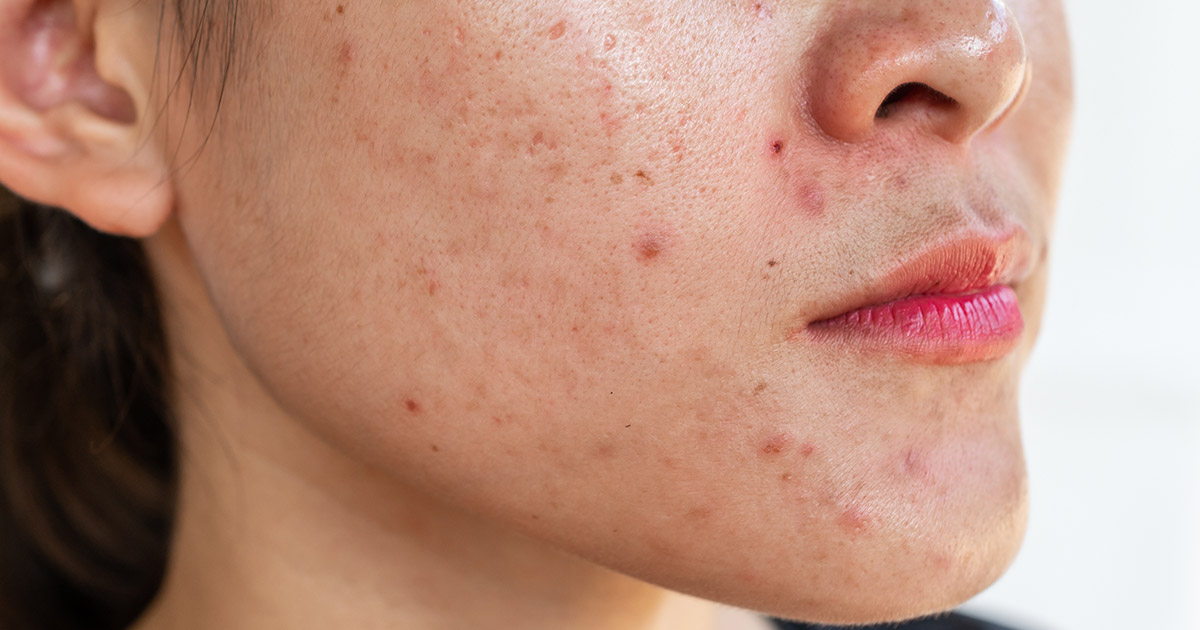
Acne is frustrating enough on its own, but for many people, the problem doesn’t end when breakouts finally improve. Even after finding a routine that keeps pimples under control, red marks, dark spots, or lingering scars can remain long after the skin has healed.
These post-acne changes are common and often misunderstood, which is why so many people struggle to get rid of them. The good news is that there are effective treatment options available, and in this blog, we’ll explore how to get rid of acne scars on the face safely, which treatments are best for redness, pigmentation, and when it may be time to consider professional treatment.
Different Types of Acne Scars & How They Form
Acne scars aren’t just red marks that form after acne clears, but a range of skin changes that can affect color, texture, and overall skin tone. When breakouts damage the skin, the body works to repair itself, sometimes leaving behind marks or texture changes in the process. These scars can look very different from person to person, depending on the severity of the acne and how the skin healed.
Identifying the type of acne scar is an important first step toward improving its appearance. Some of the most common types of acne scars are:
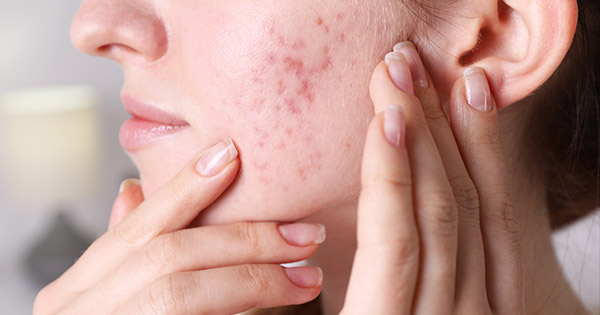
Red Acne Scars (Post-Inflammatory Erythema)
These marks appear pink or red and are caused by lingering inflammation and dilated blood vessels after acne heals. They are more common in lighter skin tones and may fade over time, but they can persist without targeted treatment.
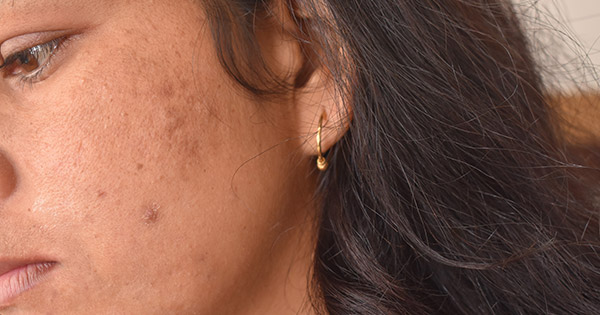
Dark Acne Scars (Post-Inflammatory Hyperpigmentation)
These scars show up as brown or dark spots and occur when the skin produces excess melanin in response to inflammation. They are more common in medium to darker skin tones and often require specific treatments to fade evenly.
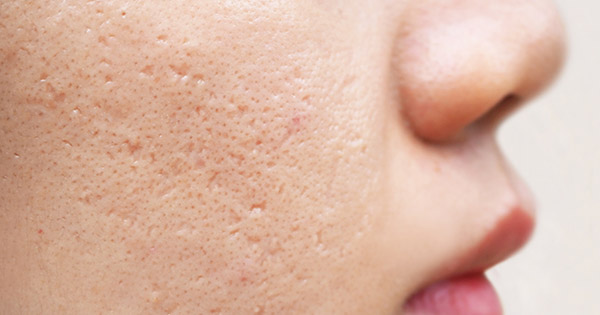
Atrophic Scars (Indented Scars)
Atrophic scars are indented scars that include ice pick, boxcar, and rolling scars, which develop when collagen loss occurs during the skin’s healing process. They can appear as shallow depressions or deeper indentations and often require professional treatments to improve texture.
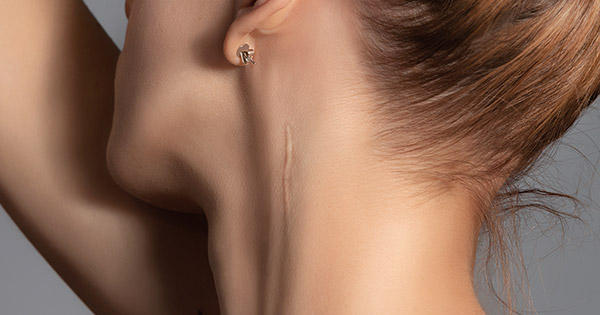
Hypertrophic & Keloid Scars
These raised scars develop when the body produces too much collagen during healing. They are more common on the chest, shoulders, and jawline and may feel firm or thickened.
How to Get Rid of Acne Scars Fast—Based on Scar Type
Getting rid of acne scars requires a personalized approach based on how the skin healed after inflammation. Many people try multiple products, hoping for fast results, only to see little change. That’s because what gets rid of acne scars is not the same as what gets rid of red marks, dark pigmentation, or uneven skin texture.
Choosing the right treatment early can help reduce redness, improve skin tone, and smooth uneven texture more efficiently.
How to Get Rid of Red Acne Scars
Because these marks are related to redness rather than pigment or texture, treatment focuses on calming inflammation and improving circulation in the skin.
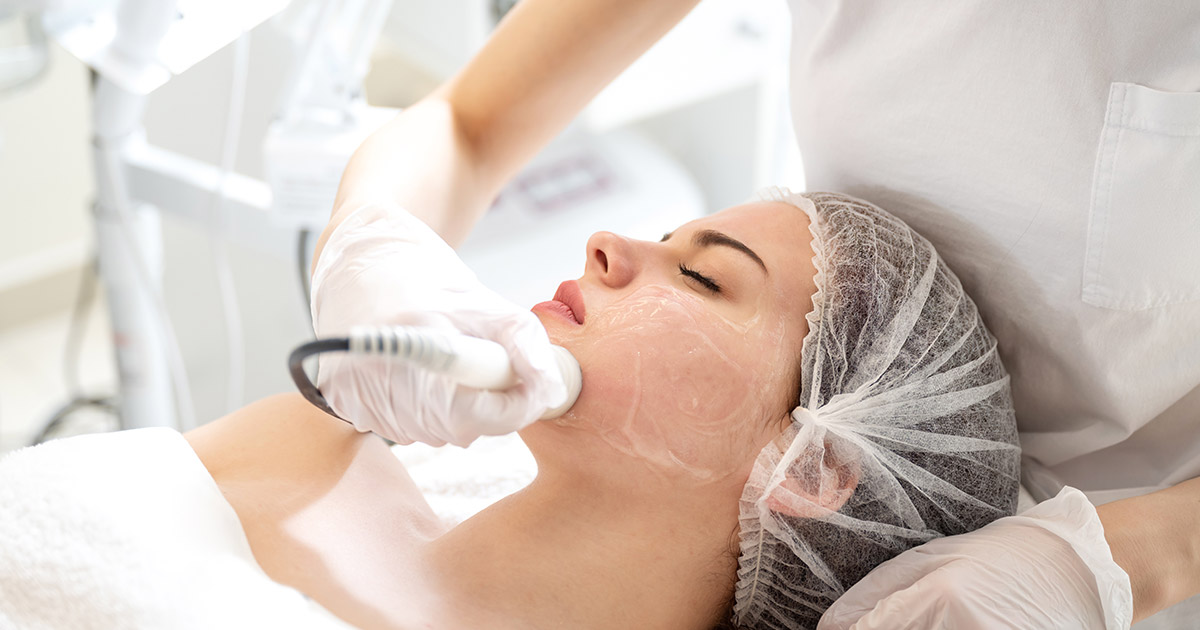
- Topical anti-inflammatory treatments: Certain medical-grade skincare products can help reduce redness over time by calming the skin and supporting its natural healing process. Ingredients such as niacinamide or azelaic acid are commonly used, though results tend to be gradual.
- Light-based and laser treatments: Laser and light therapies target the underlying blood vessels that cause persistent redness. These treatments are often one of the most effective options for red acne scars, especially when marks have not faded on their own.
- Chemical peels: Superficial chemical peels can help improve overall skin tone and speed up cell turnover. While peels are not designed to treat deep scars, they can be helpful for mild redness and uneven tone.
- Sun protection and maintenance care: Consistent sun protection is essential, as UV exposure can prolong redness and slow the healing process. Protecting the skin helps maintain results from other treatments.
How to Get Rid of Deep Acne Scars, Holes, and Texture
Deep acne scars and uneven skin texture are usually linked to atrophic scarring, a category that includes ice pick scars, boxcar scars, and rolling scars. Treating them effectively often requires procedures that work beneath the surface of the skin.
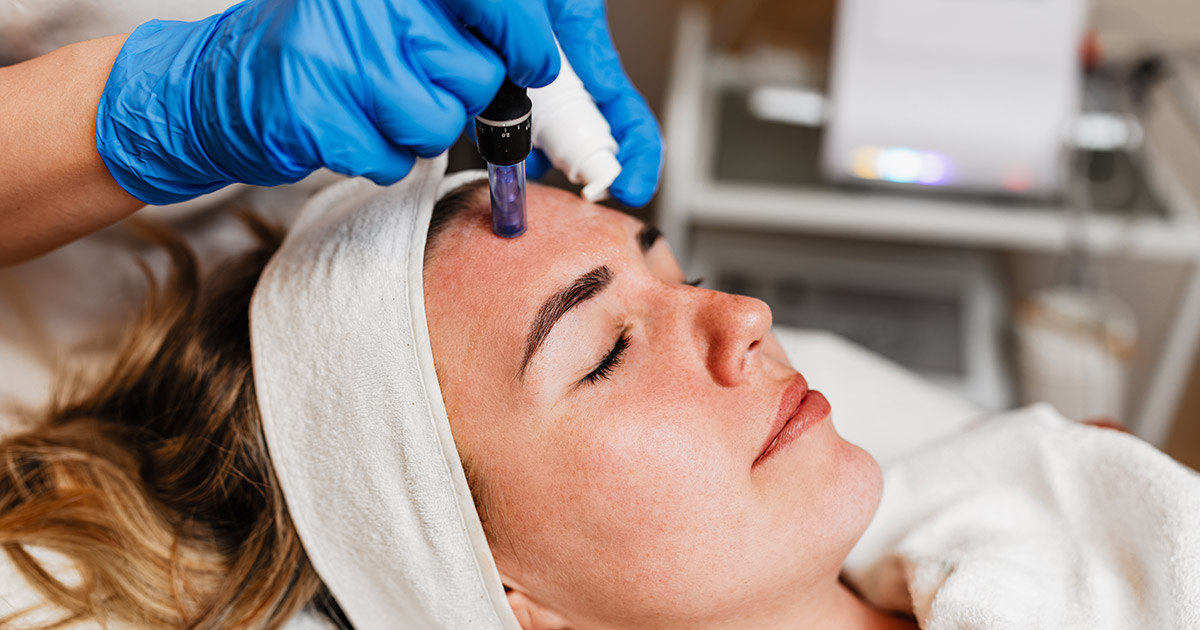
- Microneedling: Microneedling works by creating controlled micro-injuries in the skin, which encourages new collagen production over time. This treatment is especially helpful for boxcar and rolling scars, where collagen loss is more evenly spread across the skin.
- Radiofrequency (RF) microneedling: RF microneedling combines traditional microneedling with heat energy delivered beneath the surface of the skin. This approach allows for deeper collagen stimulation and can lead to more noticeable improvement in texture, particularly for moderate atrophic scars.
- Laser treatments: Laser therapy can help resurface the skin and stimulate collagen remodeling. Depending on the depth and type of atrophic scar, different laser technologies may be used to improve texture and reduce the appearance of deeper indentations.
- Combination therapy: Since ice pick, boxcar, and rolling scars vary in both depth and structure, treatment often works best when multiple techniques are used together. Combining treatments makes it possible to address different scar depths and textures more effectively, leading to smoother and more even-looking skin over time.
How to Get Rid of Acne Scar Bumps and Cystic Acne Scars
Acne scar bumps and cystic acne scars behave differently from flat or indented scars because the healing process produces too much scar tissue instead of restoring normal skin texture. If left untreated, this type of acne scar can become thicker, more noticeable, and harder to improve over time.
- Corticosteroid injections: Steroid injections are commonly used to flatten raised acne scars by reducing inflammation and slowing excess collagen production. This treatment can soften firm scar tissue and improve appearance over time.
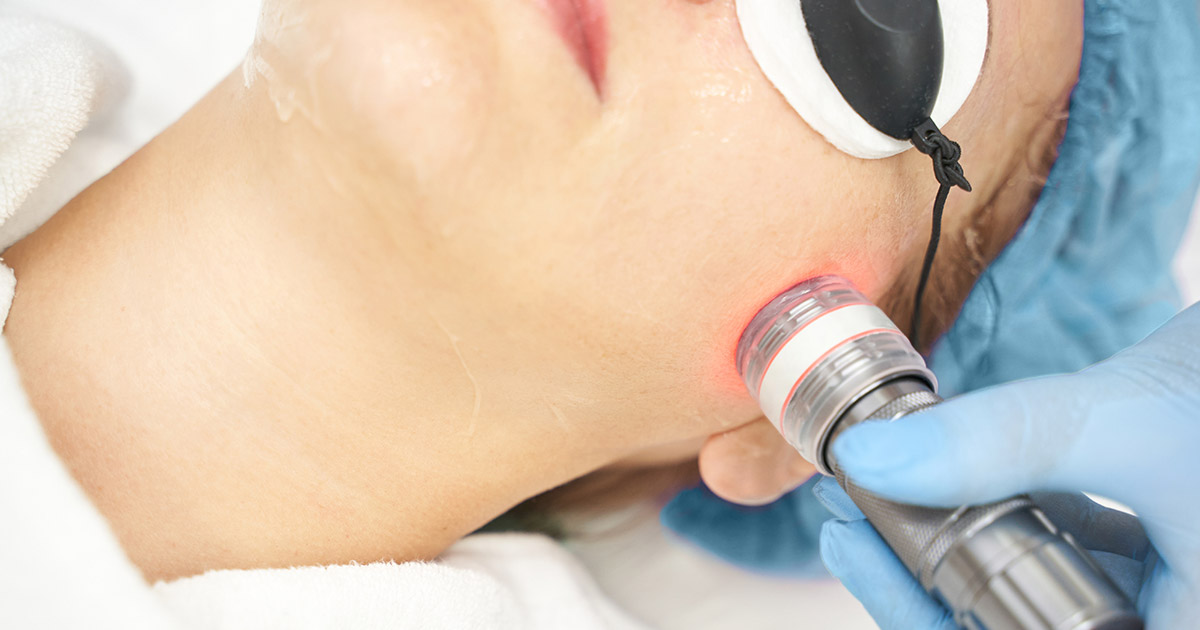
- Laser therapy: Laser treatments can help reduce redness, improve texture, and soften raised scars. Certain lasers are especially useful for thickened scar tissue and lingering discoloration.
- Silicone-based treatments: Silicone gels or sheets can help improve the appearance of raised scars by hydrating the skin and supporting healthy remodeling. These are often used as part of a broader treatment plan.
- Early treatment of cystic acne: Preventing cystic acne from worsening is an important step in reducing future scarring. Professional acne management can help limit further damage and new scar formation.
How to Prevent Acne Marks & Scars From Forming
Not every acne mark or scar can be prevented, but the risk can often be reduced with the right care. Ongoing inflammation, delayed treatment, and repeated irritation make scarring more likely. Addressing breakouts early and caring for the skin as it heals can help reduce the chance of long-lasting marks. Here are some effective ways to help prevent acne marks and scars:
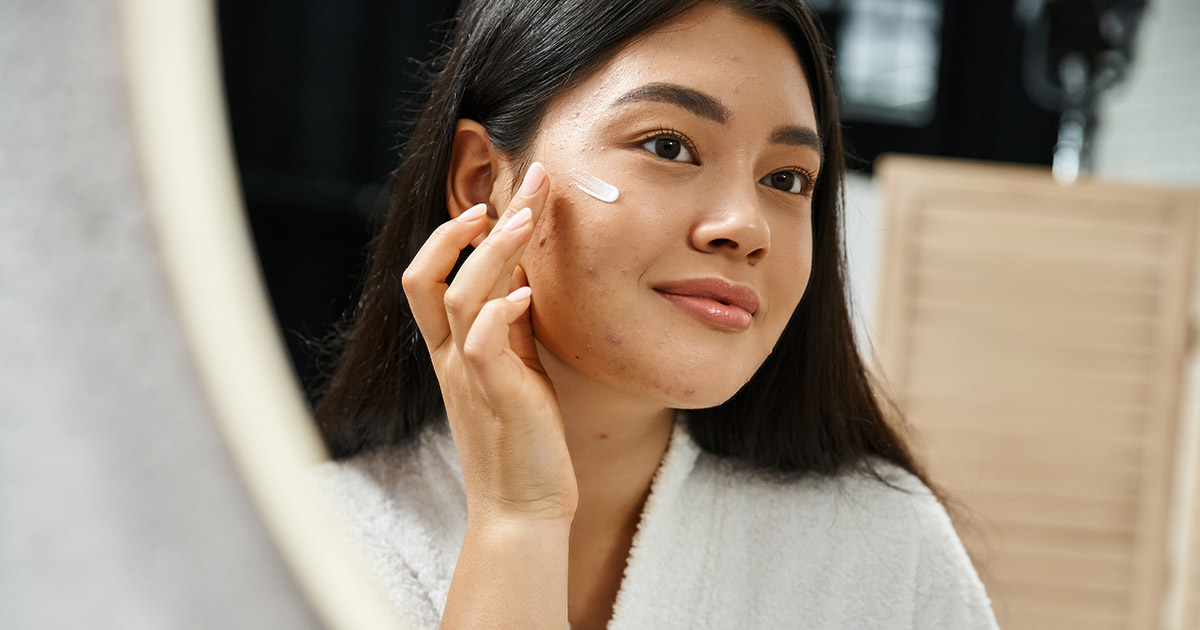
- Treat acne early and consistently: Managing breakouts as soon as they appear helps limit inflammation and reduces the risk of deeper skin damage. Waiting too long to treat acne allows inflammation to persist, which increases the likelihood of scarring.
- Avoid picking or squeezing blemishes: Picking at acne can push inflammation deeper into the skin and disrupt the healing process. This makes scars and dark marks more likely to form, even after the blemish itself has healed.
- Use gentle, non-irritating skincare: Harsh products and over-exfoliation can damage the skin barrier and slow healing. Gentle cleansers and targeted treatments help calm the skin and support recovery.
- Protect the skin from sun exposure: Sun exposure can darken acne marks and slow healing. Daily sunscreen use helps prevent marks from becoming more noticeable and supports a more even skin tone as the skin heals.
Take the First Step Toward Clearer, Smoother Skin at Alinea Medical Spa
Acne scars often persist, not because they are untreatable, but because they are treated incorrectly. Acne scars form in different ways, and knowing when to adjust care or seek professional treatment can save time and frustration. With the right guidance, many scars that seem stubborn can be significantly improved.
At Alinea Medical Spa, acne scar treatment is guided by a detailed understanding of how each scar formed and how the skin responds to treatment. We offer a range of professional options, including microneedling, RF microneedling, laser resurfacing, chemical peels, and light-based therapies. This personalized approach helps deliver more consistent and meaningful results.
For a more effective and personalized approach, consider scheduling a consultation with a skin expert at Alinea Medical Spa. A trained specialist will assess your skin and create a treatment plan designed specifically to address your acne scars.